
Every composites project pays for learning. The only question is whether you pay early and cheaply, or late and expensively. When interface performance is validated only after laminate scale-up, teams burn weeks on sample manufacturing, tie up people and equipment, and sometimes discover critical issues when schedules are already locked.
Microscale microbond testing flips that equation. With small amounts of material, you can generate decision-ready fibre to matrix interface data early, screen more combinations, and eliminate weak options fast. That means fewer dead-end laminate builds, fewer late-stage surprises, and a faster path to the material direction that actually performs.
For universities and funded research, the benefit is just as real. You get publishable, statistically strong datasets on the project timeline, even when purchasing and funding decisions move slowly.
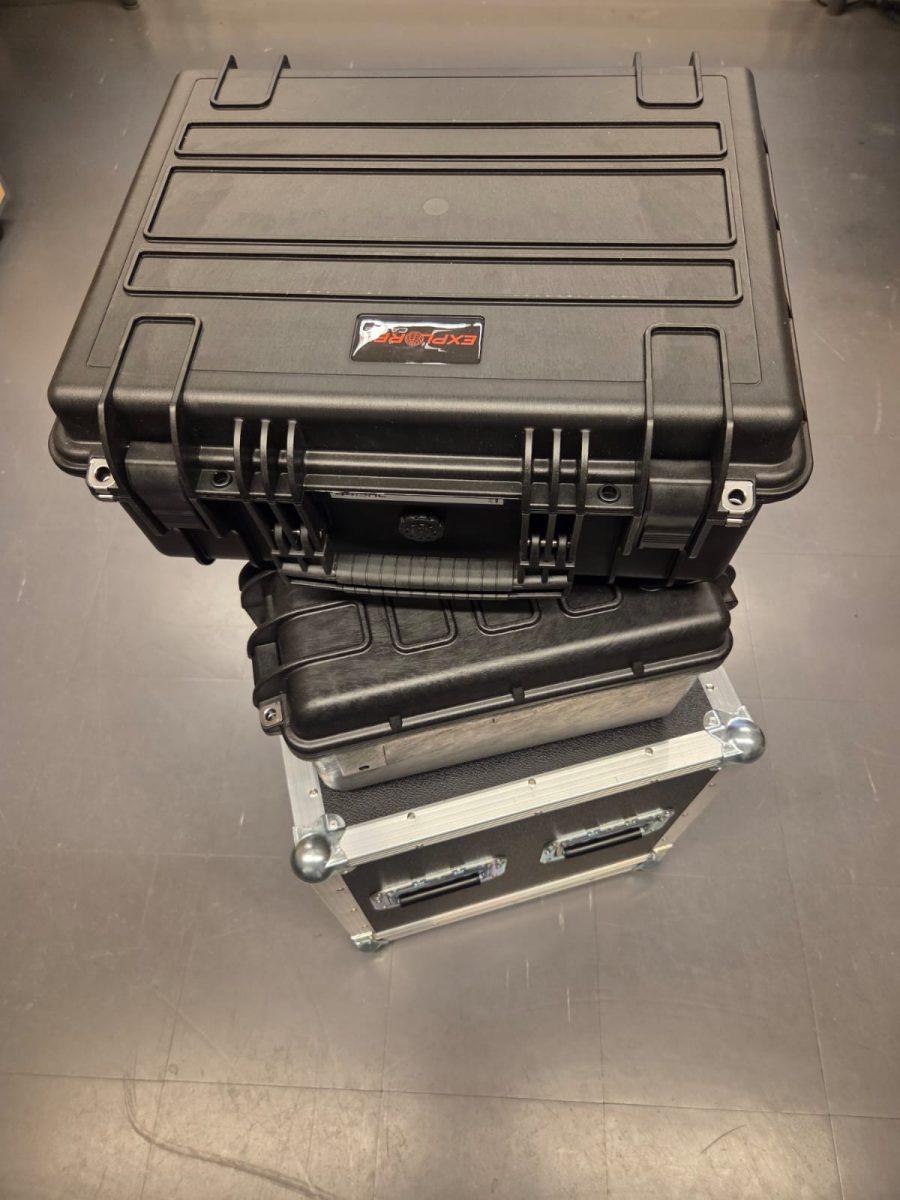
A rental setup helps when you need capability on demand:
Projects rarely follow a perfect purchasing timeline. This is especially true in universities and publicly funded research where procurement and funding decisions can take months, while experiments and deliverables move fast.
A key advantage of microbond testing is that you can generate decision grade interfacial data without scaling up to laminate manufacturing.
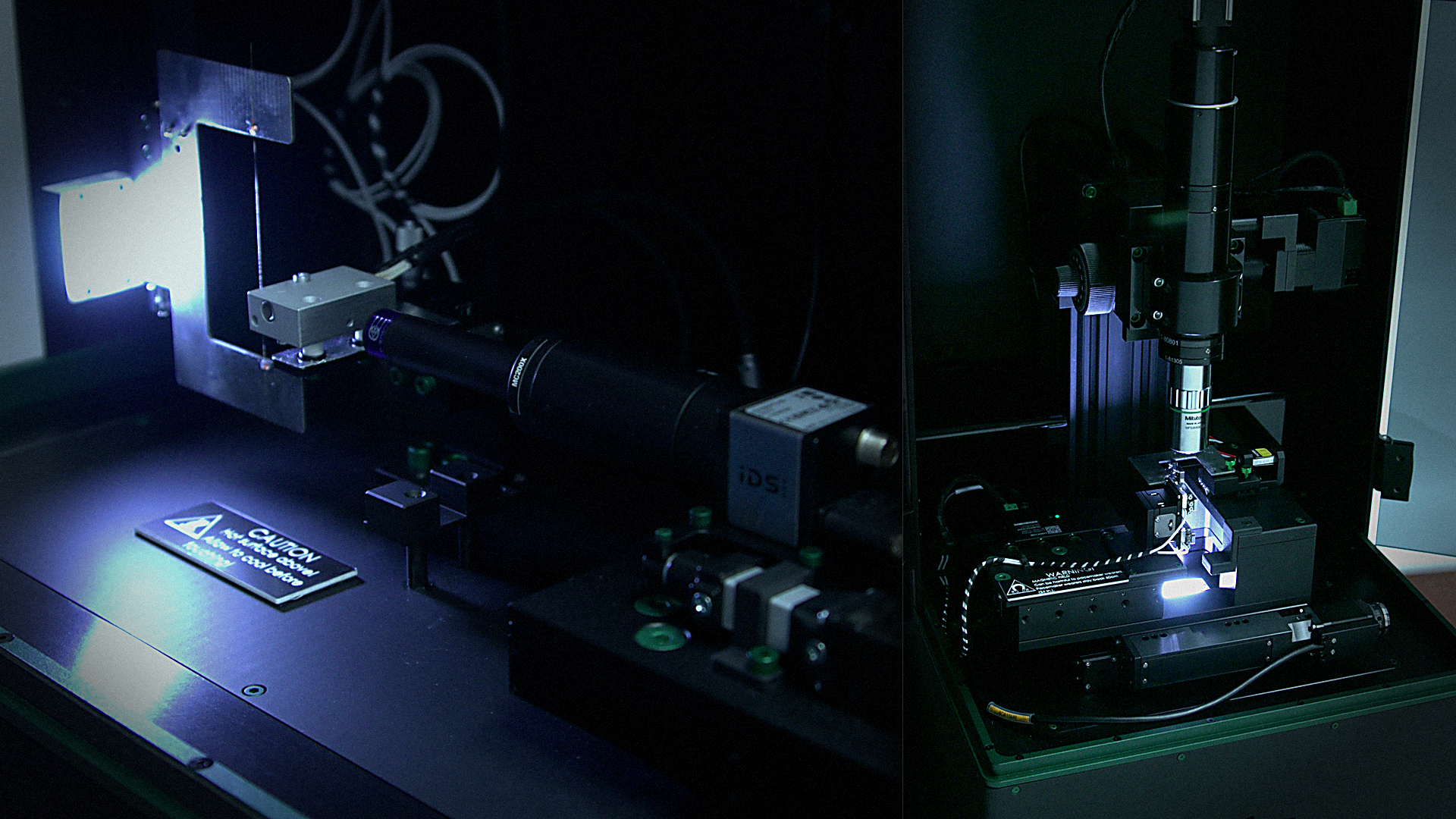
With FibroDrop and FibroBond, you work at the single fibre level:
FibroDrop supports controlled droplet sample preparation on a single filament. FibroBond automates IFSS microbond testing with high throughput, around 100 measurements per hour, so you can build strong statistics even in early stage work.

The rental setup is designed to be straightforward:
If you are planning a screening campaign, a development program, or an academic research phase where microbond data will accelerate decisions, we can recommend the right setup for your scope and timeline.
Contact us via our website to discuss configuration and scheduling.
